Gardening at home brings a sense of accomplishment and tranquility, connecting you with the natural rhythms of the world right outside your door. In Roswell, GA, you have the benefit of a mild climate, lush greenery, and an active local gardening community to inspire your efforts.
If you have been thinking about transforming part of your property into a thriving oasis of flowers, vegetables, or herbs, this guide will walk you through every step you need to take as a beginner. Whether you dream of harvesting your own tomatoes or want to fill your yard with vibrant blooms, starting a garden can be deeply rewarding.
Understanding Roswell’s Climate and Soil
Before you start planting, it’s helpful to understand what makes Roswell unique for gardeners. The city sits comfortably in USDA Hardiness Zone 8a, which means you have a relatively long growing season and mild winters. Roswell enjoys ample rainfall spread out throughout the year, with hot summers and pleasant springs and falls. This climate is ideal for growing a wide variety of vegetables, herbs, and ornamental plants.
However, Roswell’s soil tends to be clay-heavy, which can be challenging for delicate roots and plants that require excellent drainage. To give your plants the best chance at life, you’ll want to test your soil’s pH and texture first. Home testing kits are readily available at local garden centers. If your soil is too acidic or alkaline, amendments like lime or sulfur can help. This will make the soil easier to work with and encourage healthy root growth.
Planning the Layout
Thoughtful planning is the foundation of any successful garden. Start by deciding how much space you can devote to your garden. If you are working with an expansive backyard, you might choose to carve out several beds, while those with limited space can opt for containers or raised beds.
Make a simple sketch of your garden area, noting how the sunlight moves across the space throughout the day. Most vegetables and flowers require at least six hours of direct sunlight daily. Pay attention to nearby trees or structures that might cast shade. If your property is sloped, consider terracing the area or installing raised beds to prevent erosion.
When choosing what to grow, consider your interests and culinary habits. Leafy greens, tomatoes, peppers, and herbs like basil and rosemary are popular in Roswell gardens because they thrive in the local climate. If you’re interested in flowers, zinnias, coneflowers, and daylilies are hardy options that perform well in the heat.
Gathering Tools and Supplies
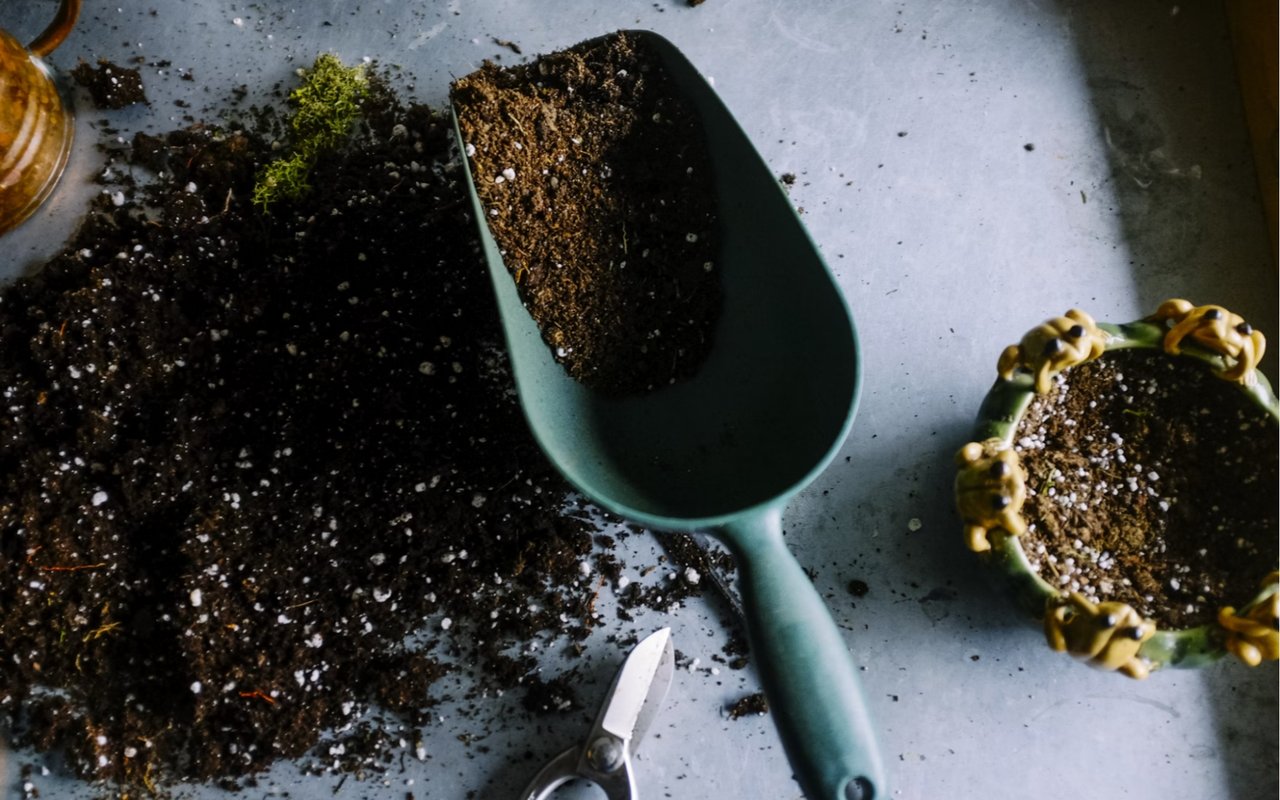
Gardening does not require a massive investment in tools, but starting with a few quality essentials will make the process much smoother. A sturdy spade, a hand trowel, a garden fork, and pruners should be at the top of your list. Gloves will protect your hands from thorns and rough soil, while a watering can or a hose with a gentle spray attachment is important for young plants.
For those working with containers or raised beds, opt for high-quality potting soil instead of regular garden soil. Potting soil is lighter and designed to drain efficiently, reducing the risk of root rot. Organic compost is useful for both in-ground and container gardens, enriching the soil and providing a steady supply of nutrients.
Mulch is another must-have for Roswell gardeners. A layer of pine straw, wood chips, or shredded leaves will help your soil retain moisture during the hottest months, discourage weeds, and regulate temperature. Many local nurseries and garden centers offer bulk mulch and compost, making it easy to source materials close to home.
Choosing the Best Plants for Your Garden
Success in the garden starts with selecting the right plants suited to the region. In Roswell, you can experiment with a wide variety of vegetables, herbs, and flowers, thanks to the mild winters and warm, humid summers.
For vegetables, tomatoes, cucumbers, squash, peppers, and beans are reliable options. Leafy greens, such as lettuce, kale, and Swiss chard, can be grown in the cooler months of early spring and fall. Herbs like parsley, thyme, mint, and oregano will flourish in sunnier spots, providing fresh flavors for your kitchen all season long.
If flowers are your focus, try daylilies, black-eyed Susans, and coreopsis. These perennials handle the Georgia sun well and attract pollinators to your yard. For a pop of summer color, annuals like marigolds, petunias, and zinnias offer easy, low-maintenance blooms. Native plants are particularly well-suited for Roswell gardens; they are adapted to the climate, require less water, and provide essential habitat for local pollinators.
Planting Your Garden: Step-by-Step
Once you have your plan and supplies in place, it’s time for the most exciting part: planting. Start by preparing your soil or containers, loosening the earth to a depth of at least 8 to 12 inches and mixing in compost. This gives young roots plenty of space to grow and access to nutrients.
If you are planting seeds, follow the instructions on the seed packets for spacing and depth. Many vegetables, like beans and squash, prefer to be direct-sown outdoors once the danger of frost has passed, usually by mid-April. For other crops, such as tomatoes and peppers, you may want to purchase young seedlings from a local nursery. Transplant these carefully, disturbing the roots as little as possible.
Water thoroughly after planting, making sure that the soil is evenly moist but not waterlogged. Mulch around your plants to lock in moisture and prevent weeds. As your plants grow, check the soil regularly; the top inch should stay damp, especially during periods of hot, dry weather.
Watering and Feeding for Healthy Growth
Consistent watering is key to a productive garden, especially during the peak of summer heat. Most plants need about one inch of water per week, either from rainfall or supplemental watering.
Early morning is the best time to water, giving plants enough time to absorb moisture before the sun gets too intense. Water at the base of the plants to avoid wetting the foliage, which can lead to fungal problems.
Fertilization helps keep your garden thriving. Start with rich, compost-amended soil, then supplement with organic fertilizers every few weeks during the growing season. Products made from fish emulsion, seaweed, or aged manure provide balanced nutrients and support growth. Be cautious not to overfeed, as this can damage young roots and discourage flowering or fruiting.
For container gardens, liquid fertilizers are especially effective, as nutrients wash out of pots more quickly than in-ground beds. Always follow the manufacturer’s instructions, and keep an eye on your plants for signs of nutrient deficiency, such as yellowing leaves or stunted growth.
Managing Pests
No garden is entirely free of pests or problems, but with attentive care, you can keep most issues under control. In Roswell, common garden pests include aphids, tomato hornworms, and spider mites. Regularly inspect your plants, looking for signs of damage or discoloration.
Encourage beneficial insects like ladybugs and lacewings, which help keep harmful bugs in check. Hand-picking pests and using insecticidal soap or neem oil can address most minor outbreaks. Choose disease-resistant plant varieties whenever possible, and avoid overhead watering to prevent fungal diseases.
Weeds can compete with your plants for water and nutrients, so keep beds mulched and pull weeds regularly by hand. Rotating your crops from year to year and cleaning up plant debris in the fall will further reduce pest and disease pressure.
Making the Most of Each Season
One of the joys of gardening in Roswell is the extended growing season. Take advantage by planning multiple plantings throughout the year. Early spring is ideal for cool-season crops like lettuce, spinach, and peas. Once the weather warms up, switch to summer favorites like tomatoes, peppers, and cucumbers. In the late summer, start seeds for a fall harvest of kale, carrots, and radishes.
Experiment with succession planting — sowing new seeds every few weeks — to keep your beds productive and your kitchen stocked with fresh produce. By staggering plantings, you can enjoy a steady supply of vegetables and flowers from early spring into late autumn.
A Fresh Start Awaits: Your Garden in Roswell
Starting a garden at home in Roswell, GA, is a wonderful way to connect with your surroundings and cultivate something beautiful. By understanding the local climate, preparing your soil, and choosing plants suited for the region, you will set yourself up for gardening success. Take the process one step at a time, enjoy the progress, and reach out to other gardeners in your area for support.
If you’re ready to explore your real estate options in Roswell, GA, team up with
The Cole Realty Group for expert guidance.