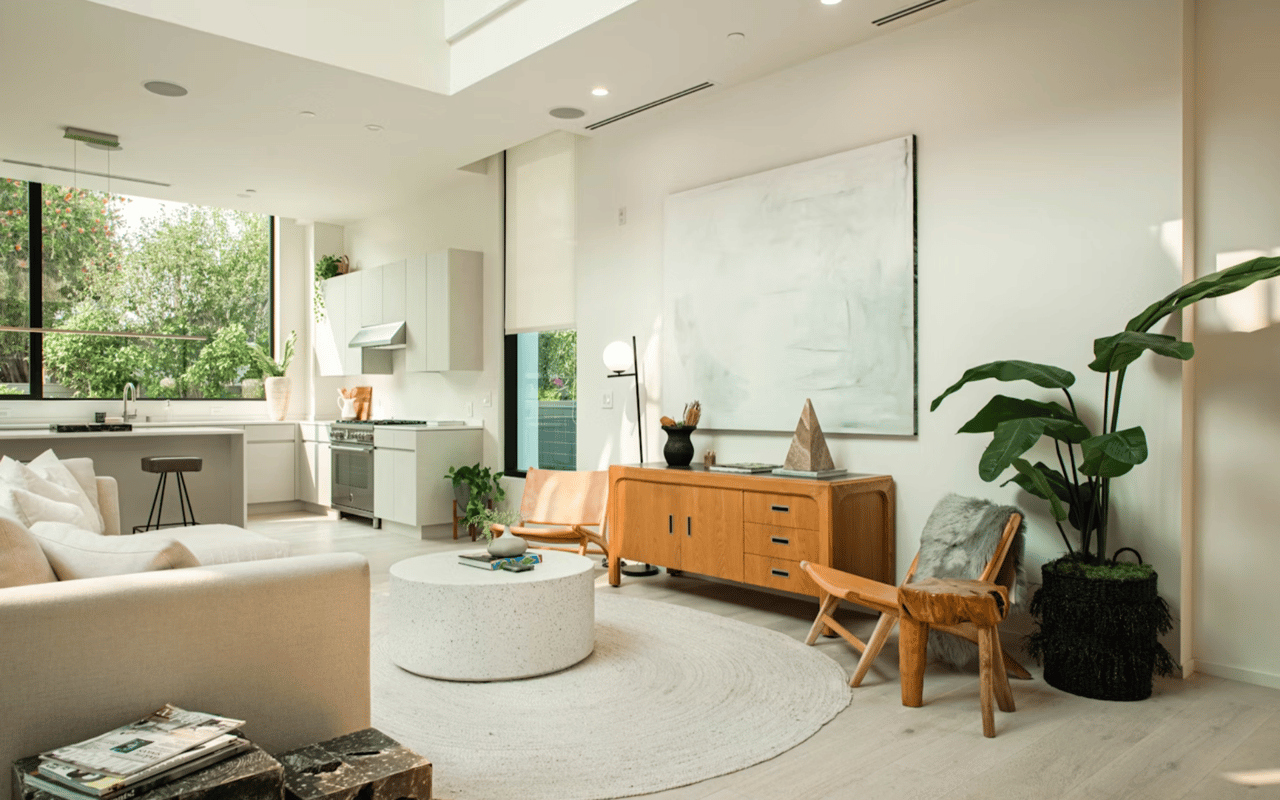
Designing a home office is one of the most rewarding projects you can tackle; it’s your opportunity to create a space that feels both productive and inspiring. When thoughtfully planned, your workspace becomes more than just an area to check emails or attend meetings. It transforms into an environment that energizes your mind and supports your ambitions.
Every detail, from the light that fills the room to the comfort of your chair, influences how focused, creative, and motivated you feel throughout the day.
In today’s world, where working from home has become an integral part of professional life, having a well-designed office is essential. A carefully arranged space encourages clarity, boosts efficiency, and helps you maintain a healthy balance between work and relaxation.
Whether you have an entire room to dedicate to your office or a small corner to transform, the right design decisions can make all the difference. This guide explores how to bring both comfort and sophistication into your home office through intentional choices in layout, color, lighting, and décor. You’ll discover how to design a space that enhances your workflow and mindset every day.
Designing a Space That Reflects Your Purpose
When you’re setting up a home office, the first and most important step is to define what the space will be used for. Whether you’re running a business, managing projects, or pursuing creative endeavors, your office should feel purposeful and tailored to your daily routine. Think about how you work best; do you need quiet for concentration, or do you thrive when surrounded by visual inspiration? Once you understand your work style, it becomes easier to shape the environment accordingly.
The most useful home offices have a sense of flow. Every item and piece of furniture serves a function, supporting efficiency while reflecting your personal taste. If your work requires meetings or calls, create an area that looks polished on camera with great lighting and a clean backdrop. If you’re an artist or designer, leave enough open space for materials, tools, or sketches.
Choosing a dedicated area for your office, whether it’s an entire room or a corner of your living space, helps create a separation between professional tasks and personal time. This mental distinction encourages focus while you’re working and helps you unwind when the day ends. Even a compact workspace can feel professional and inviting when arranged carefully and with purpose.
Choosing the Right Furniture for Functionality and Comfort
Furniture is the foundation of your home office design. Investing in the right pieces can make a noticeable difference in how you feel and perform throughout the day.
Your desk should fit comfortably in the room while providing enough surface space for your computer, notes, and other essentials. Consider a shape that complements your workflow; an L-shaped desk is ideal for multitasking, while a compact writing desk suits minimal setups.
Your chair plays an equally important role. Look for a model with adjustable features that support proper posture and all-day comfort. The right chair allows you to sit for extended periods without fatigue, helping you stay productive longer.
If you prefer movement, try a standing desk or a sit-stand converter to offer more flexibility. Pair this with a soft mat underfoot or a stool that encourages motion, which keeps your energy levels balanced throughout the day.
Storage solutions also deserve attention. Instead of bulky filing cabinets, consider sleek drawers or modular shelving units that keep everything organized and accessible. Floating shelves are great for saving floor space and displaying décor that motivates you. Keep your most-used tools within arm’s reach, and store occasional-use items higher up or out of view. A tidy environment contributes to a clearer mind and a smoother workflow.
Lighting That Inspires Productivity
Lighting has a notable effect on focus, creativity, and mood. Natural light, whenever possible, should be your primary source. Position your desk near a window to benefit from daylight, which helps regulate energy levels and enhances alertness. If direct sunlight causes glare on screens, filter it with sheer curtains or adjustable blinds to maintain a comfortable balance.
When evening arrives or if daylight is limited, layered lighting can take over. A combination of ambient, task, and accent lighting works best. Use a ceiling fixture or recessed lights for general illumination, and add a desk lamp with adjustable brightness for close-up work. If you enjoy a warmer, cozier feel, consider bulbs with adjustable color temperatures; they can shift from bright white for focus to soft amber for relaxation.
Accent lighting adds dimension to your workspace. LED strips, picture lights, or wall sconces can accentuate art or shelving, bringing warmth and personality to the room. The goal is to create an environment that keeps you alert and comfortable without strain. With thoughtful lighting, you can easily adapt your office to match your mood and schedule.
Creating Efficient Storage and Organization Systems
A well-organized office supports a clear mind. Start by categorizing your work essentials — documents, tools, office supplies — and assigning each group its own space. This prevents clutter and makes daily routines smoother.
Drawer dividers, filing trays, and labeled bins make it easier to maintain order. If you handle a lot of paperwork, consider digital storage solutions to minimize physical clutter. Scan important documents and keep them safely stored on your computer or cloud services. This frees up desk space and makes files easier to find.
Think vertically when planning your storage. Wall-mounted shelves, pegboards, and magnetic boards are practical for saving surface space while keeping the essentials within view. Decorative baskets or boxes can double as both storage and design accents.
Incorporating Technology Thoughtfully
Technology powers your work, but it should enhance your environment rather than dominate it. Start by managing cables effectively with clips, trays, or sleeves to keep them out of sight. Wireless accessories like keyboards, mice, and chargers help reduce visual clutter and maintain a clean aesthetic.
Choose devices that suit your workflow. A large monitor or dual-screen setup can improve multitasking, while a high-quality webcam and microphone are essential for virtual meetings. Position screens at eye level to maintain proper posture and minimize strain.
Consider how technology integrates with the rest of your design. Hide routers or external drives in drawers, or place them in decorative boxes to keep the look polished. Smart lighting and ergonomic accessories can make your space even more adaptive to your needs.
Find the Office Space You Need
Creating your ideal home office is a deeply rewarding process. It’s about designing a space that supports your goals and encourages your best work. From lighting and layout to tech and organization, every detail plays a role. You’ll find yourself looking forward to each day’s projects, surrounded by an environment that empowers you.
With the right design choices, your workspace can evolve into a place where ideas flow effortlessly, tasks get accomplished, and motivation thrives. If you’re ready to find the perfect home with a functional office space in Roswell, GA, reach out to
The Cole Realty Group for guidance.